

For owners and managers who want fewer callouts and less damage, Rodent Treatment Sydney works best when it is tied to routine property upkeep, not treated as a one-off emergency.
Why should property maintenance include pest prevention?
Because most rodent problems begin with building defects, moisture, and access points that maintenance teams already manage. A prevention-first approach reduces the chance of nesting, contamination, and repeat activity.
When Rodent Treatment Sydney is paired with scheduled inspections, it becomes easier to stop rodents before they establish a route, a food source, and a safe harbour.
What makes Sydney properties more vulnerable to rodent activity?
Sydney’s mix of dense housing, hospitality strips, ageing infrastructure, and ongoing construction creates constant pressure from rats and mice. Food availability from bins, gardens, and commercial premises also keeps populations stable.
In these conditions, Rodent Treatment Sydney is less about “if” and more about “when” unless properties stay sealed, clean, and well maintained.
Which maintenance issues attract rodents most?
The biggest triggers are gaps, clutter, and water. Cracked vents, broken air bricks, warped doors, and unsealed service penetrations give rodents quick access, while leaks and condensation support nesting and food spoilage.
If those issues are fixed early, Rodent Treatment Sydney becomes simpler, cheaper, and far less frequent.
Where do rodents typically enter a building?
They commonly use weep holes, subfloor vents, garage corners, damaged roof tiles, and gaps around pipes and cables. Rats can squeeze through surprisingly small openings, and mice can fit through even smaller ones.
A key part of Rodent Treatment Sydney is identifying these access points and closing them with appropriate materials, not temporary fillers that fail with weather or movement.
How can landscaping and outdoor upkeep reduce rodent risk?
Overgrown vegetation, stacked timber, dense ground cover, and unmanaged compost provide shelter and travel routes. Poorly placed bins or animal feed also encourage repeat visits.
Good outdoor housekeeping supports Rodent Treatment Sydney by reducing hiding spots and making rodent movement more visible, which helps monitoring and early intervention.
What role does waste management play in preventing infestations?
Overflowing bins, loose lids, and food residue are direct invitations. Regular bin washing, secure lids, and scheduled collection reduce odours and access.
Sites that treat waste control as part of Rodent Treatment Sydney usually see fewer sightings because rodents cannot rely on predictable feeding points.
How should building managers plan routine inspections for rodent prevention?
They should add a simple checklist to quarterly or biannual inspections: door seals, vents, roof lines, subfloor condition, service penetrations, bin areas, and signs like droppings or rub marks. The goal is to catch vulnerabilities before activity spikes.
When this is aligned with Rodent Treatment Sydney, the property moves from reactive callouts to controlled, trackable prevention. Check out more about termite removal and what renovators should know before upgrading floors, bathrooms, or tiles.
When is rodent treatment needed instead of prevention work?
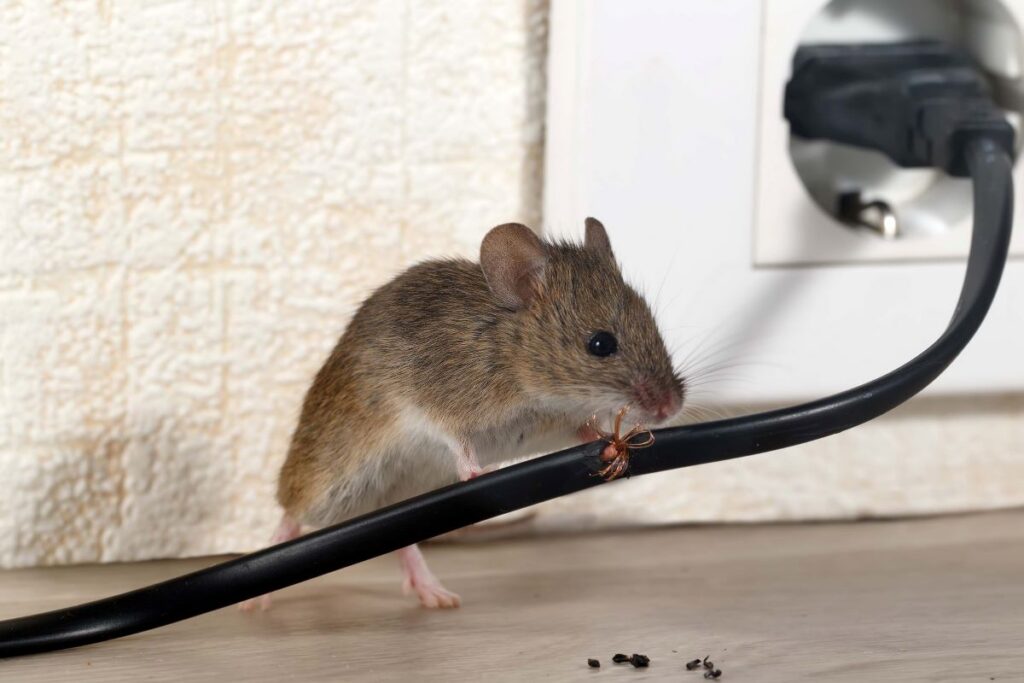
Treatment is needed when there are clear signs of activity such as droppings, gnawing, scratching noises in walls, grease marks along edges, or repeated sightings. Prevention alone will not remove an established population.
In those cases, Rodent Treatment Sydney should be followed by proofing and maintenance fixes; otherwise, the same conditions will invite the next wave.
Why do rodents keep coming back after a one-off treatment?
Because the original access point and attractant often remain. If a gap under a door is still there, or a leak continues to create moisture, rodents simply re-enter once the immediate pressure drops.
Long-term success with Rodent Treatment Sydney depends on treating the cause as well as the symptoms: entry, shelter, food, and water.
What should they expect from a professional rodent programme?
They should expect a structured inspection, documented findings, a treatment plan suitable for the site, and clear recommendations for proofing. For commercial or strata properties, reporting and compliance-friendly records matter as much as the immediate result.
A thorough Rodent Treatment Sydney approach also includes follow-up because monitoring confirms whether activity is decreasing or shifting to a new area.
How can they integrate rodent prevention into an annual maintenance plan?
They can schedule seasonal checks, align them with other services, and assign responsibility for fixes. For example, roof and gutter maintenance can include checking eaves and tile lines, while plumbing visits can include checking pipe penetrations and leaks.
This kind of integration reduces the need for repeated Rodent Treatment Sydney visits and helps budgets stay predictable.
What is the simplest takeaway for property owners and managers?
Rodent control is not separate from property care; it is part of it. Buildings that stay sealed, dry, and tidy are harder targets, which means fewer emergencies and less damage.
For the most reliable results, Rodent Treatment Sydney should sit alongside routine maintenance, with prevention work treated as non-negotiable, not optional.
See Also : Addressing pest issues including rats, mice, pigeons and bees