
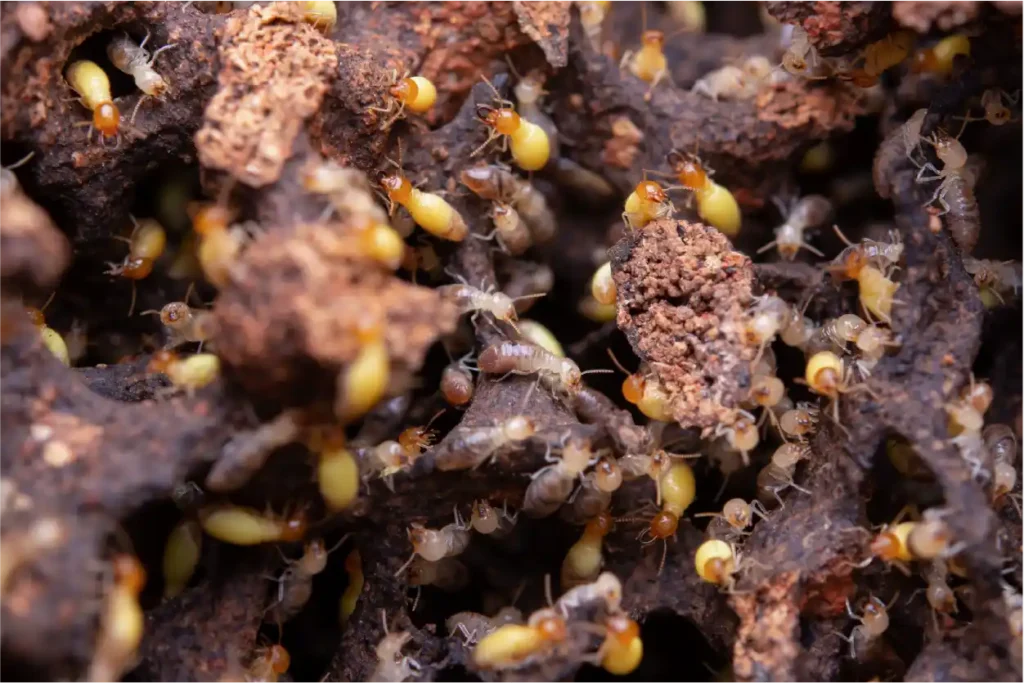
Why should they think about termite risk before any demolition starts?
They should assume demolition exposes the truth. Pulling up flooring, removing skirting boards, or stripping a bathroom can reveal tunnels, soft timber, or damp zones that termites love. If they discover activity mid-project, timelines slip and trades stack up.
Planning for termite removal early helps them avoid rework, protect materials, and keep the project schedule realistic.
What are the warning signs renovators often miss around floors and wet areas?
They often miss subtle clues because renovations focus on what is visible. Common signs include hollow-sounding boards, blistered paint, tiny “mud” tubes along walls, sagging areas near bathrooms, and doors that suddenly stick.
If they notice unexplained moisture or timber that crumbles easily, they should pause. Termite removal is cheaper when damage is limited.
When should they stop work and call a professional?
They should stop work as soon as they suspect live activity or fresh damage. Continuing to rip out materials can spread termites through disturbed areas, or destroy evidence that helps locate the nest.
A licensed inspector can confirm whether it is termites, assess damage, and recommend termite removal options that fit the property type and renovation scope.
How does termite activity change the way they should upgrade floors?
They should avoid sealing problems under new layers. If they install new timber floors over compromised joists or subfloor timbers, the upgrade may fail quickly. Even floating floors can hide moisture and give termites safer, undisturbed pathways.
A proper inspection, repairs to damaged timber, and termite removal before installation keeps the new floor from becoming a cover for ongoing infestation.
What should they know before re-tiling bathrooms or showers?
They should treat bathrooms as high-risk zones because moisture attracts termites and supports decay. Leaks behind walls, failing grout, or poor waterproofing can create the perfect conditions for hidden damage.
Before new tiles go down, they should confirm waterproofing integrity and address any leaks. If termites are present, termite removal should happen before waterproofing and tiling, not after.
Which termite treatments suit renovation projects best?
They should choose methods based on access, infestation level, and whether they want minimal disruption. Common options include baiting systems, chemical soil barriers, and targeted timber treatments.
A professional may combine approaches for better coverage. In many renovations, termite removal works best when paired with prevention, especially if the property has a history of activity.
How can they prevent termites from returning after termite removal?
They should treat prevention as part of the build, not an optional extra. Improving drainage, fixing leaks, keeping subfloors ventilated, and avoiding timber-to-soil contact all reduce risk.
They can also plan for ongoing monitoring. After termite removal, routine inspections and maintaining barriers help keep new floors and wet areas protected.
What mistakes do renovators make that can make termite problems worse?
They often rush to “close up” walls and floors without confirming the cause of damage. They may also store timber on the ground, trap moisture under new finishes, or assume a cosmetic patch is enough.
Another common error is DIY spraying that does not reach the colony. Proper termite removal requires professional assessment, not guesswork. You may like to visit https://www.vba.vic.gov.au/consumers/guides/termites to learn more about termites.

How should they budget and schedule termite removal alongside other trades?
They should expect inspections and treatment to sit early in the sequence, before waterproofing, flooring, and final finishes. If repairs are needed, carpentry and structural work should be planned before cosmetic work resumes.
Budgeting a contingency is smart because termite removal sometimes reveals additional repairs once materials are opened up.
What should they do next if they are planning a floor, bath, or tile upgrade?
They should book a timber pest inspection before they lock in materials and dates. If activity is found, they should prioritise termite removal, complete repairs, and only then proceed with waterproofing, tiling, and flooring.
Doing it in this order protects the renovation investment and reduces the chance they will have to undo brand-new work later. Termite removal is not the exciting part of a renovation, but it is often the step that keeps the rest of the upgrade standing.
More to Read : Rodent Treatment Sydney: Why Property Maintenance Should Include Pest Prevention