
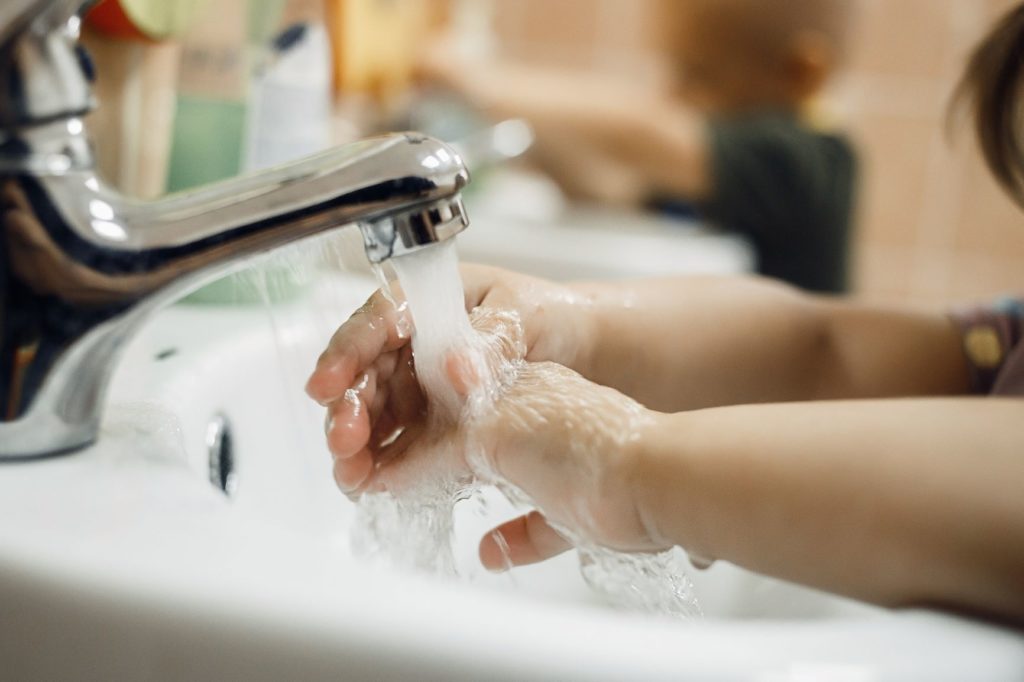
And yes, “clean” in childcare is its own category. It is not just looking tidy. It is routine, documented, and focused on the things children actually touch. Constantly.
What does “daily hygiene standards” mean in a childcare centre?
Daily hygiene standards mean the centre has repeatable cleaning and disinfecting routines that reduce germs where they spread most. They usually include:
- Scheduled cleaning tasks by area and by time of day
- Correct product use (right chemical, right dilution, right contact time)
- Hand hygiene rules for staff and children
- Laundry and waste handling routines
- A way to record what was done, and when
They also mean the centre’s “high touch” surfaces are treated like priority one, not an afterthought.
Which areas must be cleaned every single day?
Most centres need daily cleaning across all used spaces, but some areas are non negotiable.
Bathrooms and nappy change areas
Daily cleaning and disinfection are essential in childcare settings, especially for frequently touched surfaces such as bathrooms, change areas, and door handles. Prompt cleanup of spills and accidents is equally important for maintaining hygiene standards. Learn more about childcare centre cleaning at: https://matthewscleaningco.com.au/service/childcare/
Eating areas and kitchens
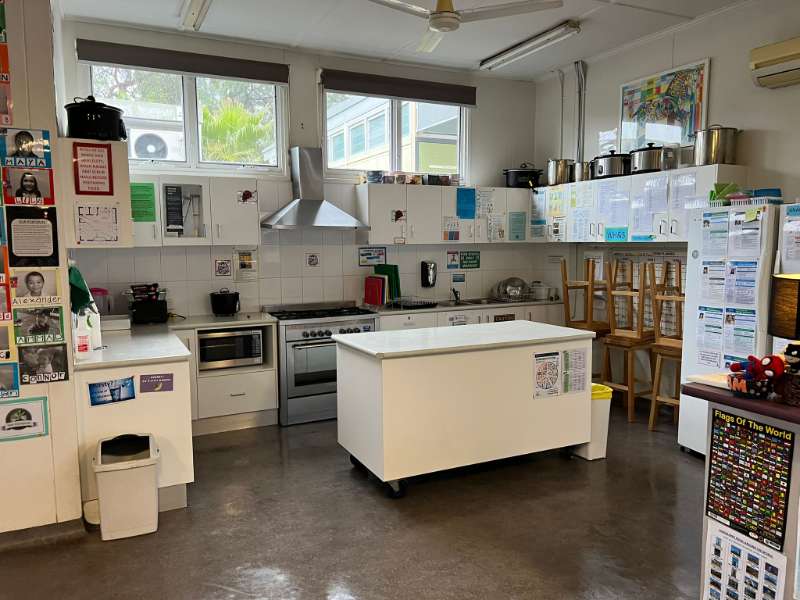
Food surfaces should be cleaned and sanitised after each use, not only at the end of the day. Chairs, tables, highchairs, and any shared serving tools matter here.
Playrooms and shared activity areas
Floors, tabletops, shelves at child height, light switches, and door handles should be cleaned daily. The goal is to remove soil first, then disinfect where needed.
Sleep rooms
Shared sleep equipment, including cots and mattress protectors, requires regular cleaning to support a healthy childcare environment. Bedding should also be managed in a way that reduces cross-contamination risks. Learn more about childcare infection control practices at: https://www.nhmrc.gov.au/about-us/publications/staying-healthy-guidelines.
What is the correct approach to high touch surfaces and shared items?
High touch surfaces are the places hands go without thinking. In childcare, that list gets long fast.
Common high touch items include:
- Door handles and rails
- Light switches
- Tap handles
- Table edges and chair backs
- Toy storage handles and drawer pulls
- Shared devices, keyboards, or sign in tablets
They should be cleaned daily at minimum, and often more than once depending on traffic and illness levels.
Shared items are trickier. Toys, dress ups, books, and sensory tools get mouthed, sneezed on, dropped, then picked up again.
A practical daily standard usually looks like this:
- Anything mouthed gets removed immediately and cleaned and sanitised before returning
- Hard toys get washed and sanitised on a rotating daily schedule, with higher frequency for infant rooms
- Soft toys get laundered routinely and whenever visibly soiled
- Sensory tables are emptied, cleaned, and dried daily
How should cleaning products be selected and used safely?
This is where centres either do it well or accidentally do nothing.
Daily hygiene standards require that staff use products that are suitable for childcare environments and used according to the label. That includes:
- Using the correct dilution if it is a concentrate
- Allowing the disinfectant to sit wet for the required contact time
- Not wiping it off too early unless instructions say so
- Not mixing chemicals, ever
- Storing chemicals locked away and out of children’s reach
Also, cleaning and disinfecting are not the same thing. If a surface is dirty, disinfectant on top of grime is basically a waste. They should clean first, then disinfect where required.
What hand hygiene practices must be followed throughout the day?
Hand hygiene is the centre’s real frontline. A centre can have perfect floors and still have constant illness if handwashing is sloppy.
Daily standards generally expect that staff and children wash hands:
- On arrival and before entering rooms
- Before eating or handling food
- After toileting or nappy changes
- After wiping noses, coughing, or sneezing
- After outdoor play
- After handling animals, bins, or bodily fluids
- Before and after administering first aid
They should use soap and running water, and dry hands properly. Hand sanitiser can help as a backup, but it is not a replacement when hands are visibly dirty or after toileting.
How should bodily fluid spills and illness outbreaks be handled?
Centres need a clear, immediate response process. Not a vague plan, an actual routine people follow without debating it.
For bodily fluids (vomit, blood, diarrhoea), typical minimum expectations include:
- Isolating the area quickly
- Wearing gloves and using disposable paper towels to remove bulk material
- Cleaning the surface with detergent
- Disinfecting with an appropriate product and correct contact time
- Disposing of waste in sealed bags
- Washing hands thoroughly afterward
- Cleaning any reusable equipment used in the process
During outbreaks, daily standards usually escalate. That can mean more frequent disinfecting of high touch points, more toy rotation, and tighter exclusion rules for symptomatic children and staff.
What records and checklists should they keep to prove daily compliance?
Cleaning that is not recorded tends to drift. Not always, but often.
A daily hygiene standard is easier to maintain when the centre keeps:
- Daily cleaning checklists by room and area
- A toy cleaning rotation schedule
- Laundry and linen logs if relevant
- Incident notes for bodily fluid cleanups
- Product safety data sheets (SDS) and dilution instructions
- Staff training records for cleaning and infection control
This is not just for audits. It helps the team stay consistent when staffing changes, rooms get busy, or everyone is tired at 4:45 pm.
What is the simplest way to meet daily hygiene standards without overcomplicating it?
They should focus on what spreads germs fastest in childcare, then build routines around that.
A simple daily baseline usually includes:
- Clean and sanitise food areas after each use
- Disinfect bathrooms and nappy change surfaces daily, plus spot cleans
- Clean floors daily, especially in infant and toddler rooms
- Remove and clean mouthed toys immediately
- Disinfect high touch points at least once daily, more if needed
- Enforce handwashing at the key moments
- Document tasks in a checklist that staff actually use
If they do those things consistently, the centre will not be perfect. But it will be safe, defensible, and genuinely cleaner where it counts.
FAQs (Frequently Asked Questions)
What are daily hygiene standards in a childcare centre?
Daily hygiene standards in a childcare centre refer to repeatable cleaning and disinfecting routines designed to reduce germ spread, focusing on high-touch surfaces and including scheduled tasks, correct product use, hand hygiene rules, laundry and waste handling, and documented records—especially aligned with childcare centre hygiene standards for operational compliance and risk control.
Which areas in a childcare centre must be cleaned every day?
Bathrooms and nappy change areas, eating areas and kitchens, playrooms and shared activity spaces, and sleep rooms must be cleaned daily with special attention to toilets, taps, food surfaces, toys, cots, and bedding to ensure safety and hygiene.
How should high touch surfaces and shared items be cleaned in childcare?
High touch surfaces like door handles, light switches, and tap handles should be cleaned daily or more frequently during illness outbreaks. Shared items such as toys must be cleaned based on usage: mouthed items sanitized immediately; hard toys washed on a rotating daily schedule; soft toys laundered routinely; sensory tables cleaned daily.
What is the correct way to select and use cleaning products safely in childcare centres?
Cleaning products must be suitable for childcare environments and used per label instructions: correct dilution, proper contact time without premature wiping, never mixing chemicals, storing locked away from children. Cleaning should precede disinfecting to remove dirt effectively.
What hand hygiene practices are essential throughout the childcare day?
Staff and children must wash hands with soap and running water at key times: on arrival, before eating or food handling, after toileting or nappy changes, after coughing or sneezing, after outdoor play or handling animals/bins/bodily fluids, and before/after first aid. Hand sanitiser is supplementary but not a replacement when hands are visibly dirty.
How should bodily fluid spills and illness outbreaks be managed in childcare centres?
Bodily fluid spills require immediate isolation of the area, wearing gloves, removing bulk material with disposable towels, cleaning with detergent followed by disinfection using appropriate products with correct contact time, sealing waste bags properly, thorough handwashing afterward, and cleaning reusable equipment. Illness outbreaks call for escalated cleaning frequency of high touch points and stricter exclusion policies.